

Depression is less attended to and is ignored by many. Its symptoms are being misinterpreted as mere downtime, a natural response to life’s stressors and as something that will run its course in a short period of time. Rhetoric like “suck-it-in,” “it’s a woman thing,” and “stop being a baby,” are common responses to depression symptoms. Depression is associated with the onset of suicidal ideation; patients are ambivalent with activities around them, having little interest or no interest in doing usual activities which gradually leads to observable deterioration in quality of living.
Depression affects over 300 million people and is the leading cause of mental-health related ailments worldwide, (Herrman, et al., 2019). Onset of depression is asymptomatic and goes untreated. When it is not treated, it becomes severe and eventually leads to physical and psychological disability.
National Alliance on Mental Illness (NAMI) states symptoms of depression as changes in sleep, changes in appetite, lack of concentration, loss of energy, and lack of interest in activities, hopelessness or guilty thoughts, changes in movement (less activity or agitation), physical aches, pains and suicidal thoughts. Brain changes, drug and alcohol misuse, genetics, life stressors, medical illnesses and trauma are causes of depression. This article is not a medical or psychiatric diagnosis of depression. If you are having depression symptoms, consult your neurologist or psychiatrist. This article focuses on mild to moderate depression and how brisk walking and strolling can reduce the early onset of depression.
Lack of interest in activities you once enjoyed, self-isolation due to despair and guilt are common symptoms associated with the early onset of mild to moderate depression. Other symptoms include ambivalence, anhedonia, changes in appetite, generalized body pain, hopelessness, low self-worth and sleepless nights. Sentences such as “I just don’t feel like coming out of the bed today,” “there is nothing interesting out there anymore,” “I just feel tired every time,” “there is nothing more for me,” and responses like “whatever. . .,” “I don’t care anymore,” and “do I really matter. . .?” are all statements often spoken by those who are having mild to moderate depression. All of these symptoms cause you to lack energy and seclude yourself from society. How can these be averted from progressing to moderate to severe depression?
Isolation is one of the prevalent symptoms of depression. It deprives you of the necessary fresh air, recreation and exposure to nature. When self-seclusion sets in, your thoughts are cognitively distorted which decreases your ability to function efficiently at home or at work. If not treated, it increases your tendency of having low self-esteem and suicide ideation. Therefore, going outside is one of the basic treatments of mild to moderate depression. Therapeutic walking promotes well-being and resilience in the face of adversity, (Barnes, et al., 2018). Brisk walking and strolling have proven to be significant in improving the life of people who are suffering from post-traumatic stress disorder (PTSD) and mild to moderate depression, (sic), (Barnes, et al., 2018).
Strolling
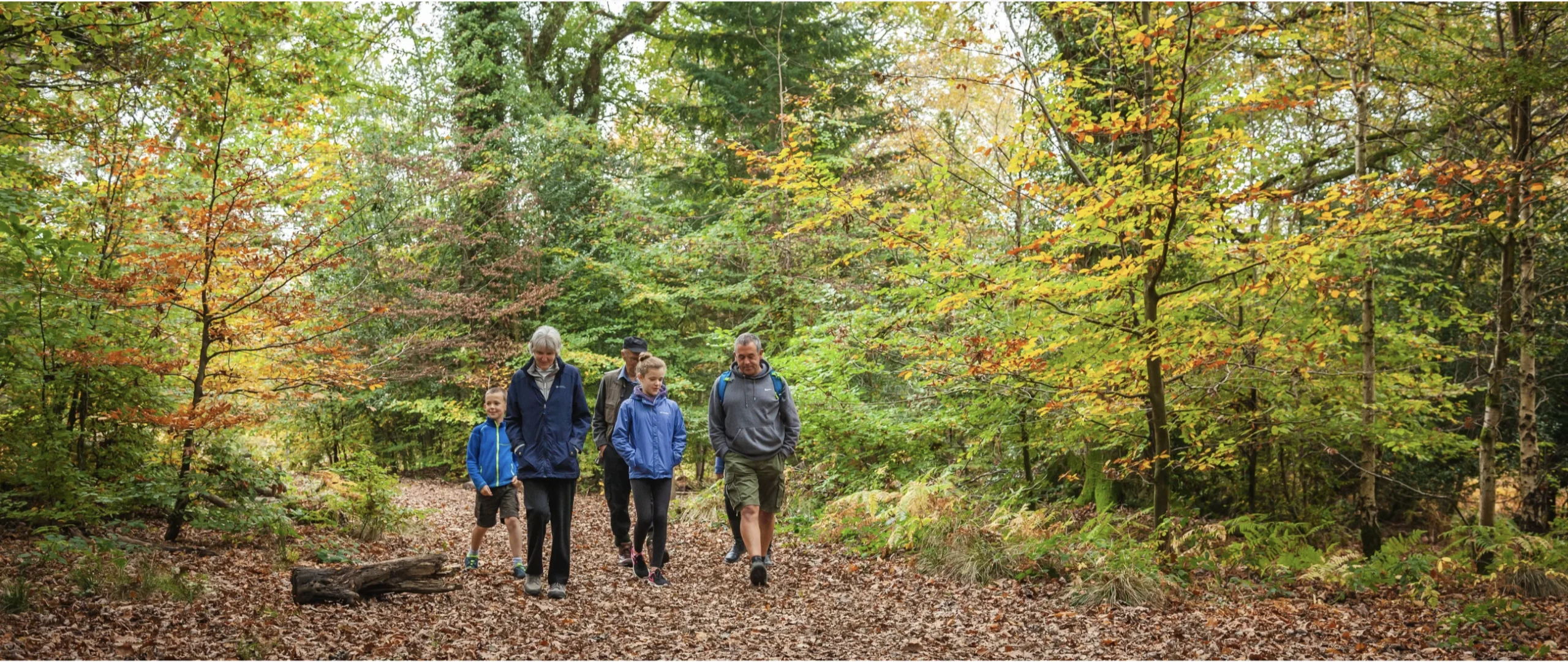
Strolling is an act of walking leisurely while enjoying the views of natural habitat around you. Strolling in an environment that does not trigger past traumatic experiences distracts you from having depressive thoughts. In the absence of a physiological disability that deters you from strolling, walking leisurely in an environment that is safe and pleasing to you improves your mood and willingness to participate in healthy activities around you.
Forest and recreational gardens have proven to be appropriate places to walk leisurely. In adults, walking leisurely and participating in healthy activities in the forest are more effective short-term interventions for the prevention and treatment of depression, (Rosa, et al., 2021). The recreational garden at weekends and in the evening features lively activities that will attract and encourage participation of passersby and thereby improve the mood of everyone. Walking leisurely in these kinds of environments prevents you from having depressive thoughts. It is imperative to emphasize that walking leisurely in an environment where you were once assaulted or had traumatic experiences could trigger anxiety irrespective of the environment being a forest or a recreational garden.
Brisk Walking
Strolling 30 minutes to 1 hour daily improves your overall wellbeing and decreases your chance of developing mild to moderate depression. To stroll around, ensure you are not on any medication that could depress your respiratory system or medication that your physician states you cannot drive while on such medication.
Global Action Plan on Physical Activity targets a 15% relative reduction in the global prevalence of physical inactivity in adults and adolescents by 2030. The organization states that more active people equal a healthier world. In the manifesto, brisk walking is one of the recommended activities that yields healthy habits physiologically and mentally.
Brisk walking is a form of exercise that is of moderate — intensity. Brisk walking 60 min/week for 6–12 weeks enhanced adolescents’ mental health, (Hsu et. al, 2021). 30 minutes a day, five days a week is recommended for adults while 15 minutes a day, five days a week is recommended for older adults. This recommendation may not apply to everyone. It is advisable to start by strolling then progress to brisk walking. That way, you can determine what your body is capable of. It is important you consult your physician to know what forms of exercise are healthy for you.
Brisk walking outdoors gives you beautiful landscape views to distract your mind from depressing thoughts and keeps you focused. It is impossible to maintain a constant pace while brisk walking which emphasizes the benefit of brisk walking outdoors. Brisk walking improves your mood, enhances your cardiovascular system and your wellbeing.
How do you briskly walk or stroll outdoors in cold weather?
Brisk walking and strolling outdoors are not practicable in all seasons. However, you can take a brisk walk or stroll in the shopping mall during cold weather. You may not briskly walk or stroll in the shopping mall if you have a history of compulsive buying behavior (CBB), as doing so may exacerbate your symptoms. It is imperative for people suffering from CBB to consult their psychiatrists before brisk walking or strolling in the shopping mall.
In conclusion, depression can deprive you of the vigor you need to accomplish activities of daily living. It keeps you isolated and robs you of good relationships. Mild to moderate depression makes you indifferent to activities around you. If you are having the symptoms of mild to moderate depression, consult your psychiatrist, stroll around in a safe forest, recreational gardens, and brisk walk if you can.
Author: David Fowope, MFA, MSN, PMHNP-BC
Reference
- Barnes, M., Duly, O., Espinoza, M., Fields, A., Garcia, C., Greenhawk, R., Jackson, J., Meilman, J., Nola, R., Ren, X., Rodado, R., Russell, S., Schaum, E., Simpson, L., Tran, C., Whims, J., Young, R. (2018). Brookside Garden Stroll for Wellness. Published by Digital Repository of University of Maryland (DRUM). DOI: https://doi.org/10.13016/M23R0PX4G
- Celis — Morales, C. A. et al. (2018). Walking Pace is Associated with Lower Risk of All — cause and Cause — specific Mortality. Published by Medicine and Science in Sport Exercise at University of Glassgow on October 9th, 2018. DOI: 10.1249/MSS.0000000000001795
- Duranso, C. W. (2018). Walk for Wellbeing: The Main Effects of Walking on Approach Motivation. Published by SpringerLINK on September 21st, 2018. DOI: https://doi.org/10.1007/s11031-018-9726-y
- Herrman, H., Kieling, R., McGorry P., Horton, R., Sargent, J., Patel, V. (2018). Reducing the Global Burden of Depression: a Lancet World Psychiatrist Association Commission. Published: October 25th, 2018. DOI: https://doi.org/10.1016/S0140-6736(18)32408-5
- Kelly, P., Williamson, C., Niven, A. G., Hunter, R., Mutrie, N., Richards., J. (2018). Walking on Sunshine: Scoping Review of the Evidence for Walking and Mental Health. Published by British Journal of Sport Medicine (BMJ). DOI: http://dx.doi.org/10.1136/bjsports-2017-098827
- Hsu, M., Lee, S., Yang, H., Chao, H. (2021). Is Brisk Walking An Effective Physical Activity for Taiwanese Adolescents’ Mental Health? Volume 60, E60 E67. Published by Journal of Pediatric Nursing on September 1st, 2021. DOI: https://doi.org/10.1016/j.pedn.2021.03.012
- Rosa, C. D., Larson, L. R., Collado, S., Profice, C. C. (2020). Forest Therapy can Prevent and Treat Depression: Evidence from Meta — Analysis. Published by ScienceDirect on December 14th, 2020. DOI: https://doi.org/10.1016/j.ufug.2020.126943